If you’re exercising in cold weather, make sure you avoid injury and illness by dressing in layers. Try wearing a fleece on top of a synthetic base layer.
Train effectively
Make your training work for you
Clothing & Equipment
If you’re training in hot weather, choose clothing that is made of a breathable fabric and is light in colour.
It’s important that your footwear allows you to exercise, without the risk of injury.
The most expensive, best looking or coolest make of running shoe isn’t always the best choice for you. Every runner is different, with a unique running style that requires a certain type of shoe to enable regular exercise, without injury.
Things to consider, include:
- Cushioning – If you have a high arch and tend to run on the road a lot, you’ll need to select a shoe that offers enough cushioning to protect your joints. A high arch can lead to you running on the outside of your feet too much, putting strain on your ankles.
- Support – A slightly fallen arch is very common, but it does mean your feet roll inwards slightly as you run, potentially causing knee trouble or shin splints. Getting shoes with support features on the inside of the foot will help you avoid injury.
- Control – If you have a flat arch, you need motion control shoes to stop your foot rolling inwards excessively. These shoes are characterised with support features on the inside of the foot, and wider soles to offer greater stability.
- When you’re buying running shoes, the best way to get the product that’s right for you is to visit a specialist shop, where your feet can be measured and fitted for the correct shoe.
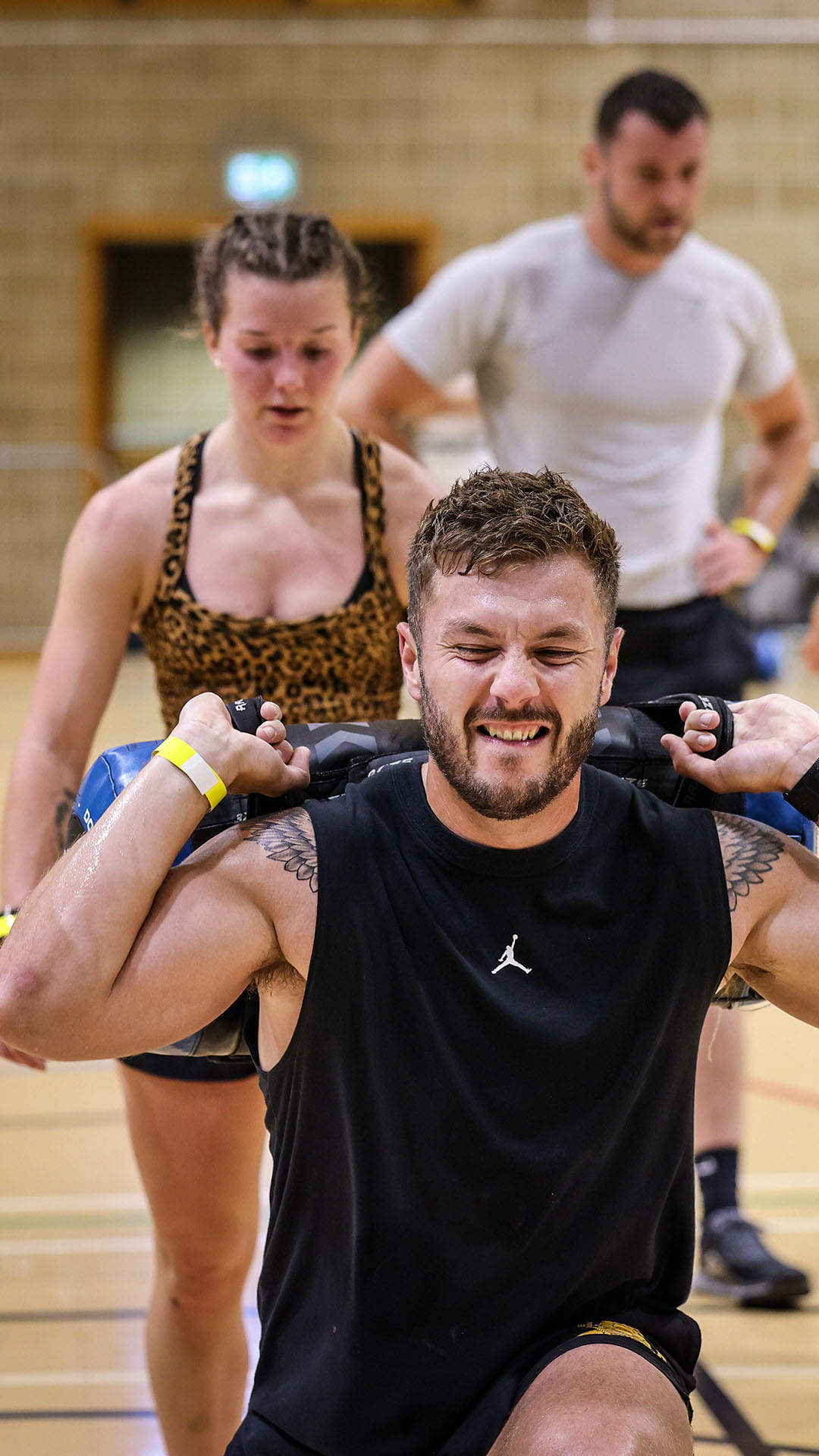
Spending hours in the gym won’t prepare you for the Royal Navy, you'll need a combination of road running and traditional exercises.
Give yourself greater flexibility by buying inexpensive apparatus to use at home.
There’s more to strength and conditioning training than spending hours in the gym. You can improve your core stability at home if you have the right equipment. It doesn’t have to be expensive and will give you the chance to workout when it’s convenient. Things you can buy, include:
- Kettle bells – These weights are a great way to combine cardio, strength and flexibility training through a series of high repetition exercises. They’re ideal if you don’t have a lot of space.
- A yoga mat – These non-slip mats are suitable for doing press-ups and sit-ups. You could also think about mastering a few yoga poses to develop your flexibility and core stability.
- Punch bag and gloves – Boxing related exercise has seen a surge in popularity because it offers a mix of conditioning and cardio training. Hanging a punch bag in your garage or loft will give you some space for a really intense workout.
- Exercise ball – The large inflated balls that you often find in the gym are great for improving your balance and core strength. You can do a range of exercises to suit your regime.
- Medicine ball – They may seem a little old fashioned, but medicine balls have never been more essential to a home workout. Simple exercises that don’t require much space can yield impressive results.
Give yourself greater flexibility by buying inexpensive apparatus to use at home.
Running outdoors is different to using a treadmill. Take all the necessary precautions to avoid injury.
Road running isn’t just a great way to improve your general fitness, it is also a significant part of the joining process, with assessments continuing right through to Basic Training and beyond. You can find full details of the running tests that you’ll be expected to complete, in the Stages and Standards section.
Getting out on the road regularly is vital to achieving the level of fitness required to join the Royal Navy, but before you do, there are a few things to consider, including:
- Staying safe – Make sure you run in the direction of oncoming traffic and wear high visibility clothing.
- Footwear – Wear running shoes that have adequate cushioning to counteract the hard road surface.
- Plan your route – Make sure you know where you’re going before you set off. Plan a circular route of the right length to suit your training regime, incorporating a variety of inclines and slopes.
- Mix it up – Keep your training interesting by alternating your routes.
- Go out in all weather – Royal Navy fitness assessments won’t be postponed by inclement weather. Make sure you acclimatise by getting out for a run, even if it’s raining.
If you’re running on a treadmill as part of your training, make sure you know how and when to use it correctly.
Using a treadmill allows you to run under controlled conditions in any weather. Most gyms have running machines that enable you to choose the speed, distance and incline that you require, so you can measure your performance against others, and chart your progress.
Treadmills play a part in several Royal Navy fitness tests, so it’s important to familiarise yourself with them. And, as with all exercise equipment, you need to know how and when to use them correctly. Here are a few tips:
- Make sure you know how to adjust the speed and incline before you start
- Stretch properly before stepping on to the treadmill
- Start at a walking pace and build up your workout speed
- Use proper running technique with a straight back and square shoulders
- Keep looking straight ahead to avoid weaving on the belt
- Make sure you warm down before resting
Treadmill settings:
You will be required to carry out fitness tests on a treadmill as part of the joining process. You can find distances, times and the percentage incline of each test in the stages and standards section. The results you have to achieve will vary from role to role, so make sure you get the right information and use it to prepare accordingly.
Got a question?
Need help finding your ideal role?
Our virtual recruiter is available to answer your questions 24 hours a day